Agentic AI Systems
Frameworks and patterns for orchestration, tracing, evaluation, and tool-using workflows.
OpenAI Agents SDKLangChainLangGraphLangSmithAutoGenMulti-agent Systems
Senior Machine Learning Engineer
I build production ML and LLM systems, including agentic AI applications that turn complex data into useful decisions. My background spans video summarization research at CERTH-ITI and ML engineering at enterprise scale. I care about making these systems reliable, measurable, and practical to use. Away from work, you'll find me analyzing the latest Formula 1 race or hunting for the perfect freddo espresso. 🏎️☕
Scroll to explore earlier roles ↓
Thessaloniki, Greece
Apr 2026 – Present
Mar 2025 – Mar 2026
Building a multi-agent AI system analyzing large volumes of customer feedback data, including millions of survey responses and chat transcripts, to identify trends and summarize experiences automatically.
Thessaloniki, Greece
Jun 2024 – Feb 2025
Led development of critical components for an enterprise-scale Business Continuity Platform at a major energy corporation. Built notification systems for operational issues, designed scalable PySpark data pipelines on Azure Databricks, developed FastAPI REST APIs, and collaborated on system architecture.
Sep 2023 – Jun 2024
Developed AI-powered assistance systems that automated workflows and boosted operational efficiency. Created advanced analytics frameworks for real-time performance metrics. Engineered solutions for automated presentation generation and intelligent travel assistance.
Greece
Sep 2022 – Jun 2023
Mandatory Military Service. Honorable Distinction: Lance Corporal.
Thessaloniki, Greece
Jan 2021 – Sep 2022
Research on video summarization using Encoder-Decoder architectures with Attention Mechanisms and Transformers. Developed open-source PyTorch implementations. Explored GANs, LSTMs, and VAEs for generative summarization models.
Thessaloniki, Greece
Oct 2015 – Oct 2020
Specialized in Artificial Intelligence and Machine Learning, graduating in the top 6% of my class with a grade of 8.80/10. My academic interests spanned Software Engineering and Embedded Systems. My thesis focused on data collection and analysis of mobile phone energy consumption using Machine Learning techniques.
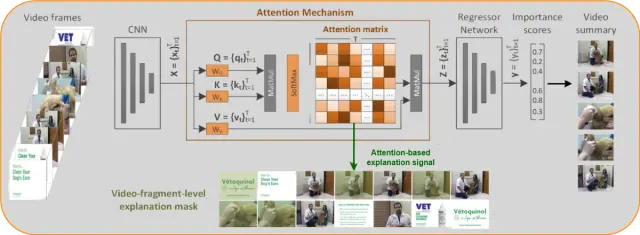
IEEE Int. Symposium on Multimedia (ISM) 2022 · Dec 2022
citationsShows which video fragments influence a summary using signals from the model's attention mechanism.
Read publication →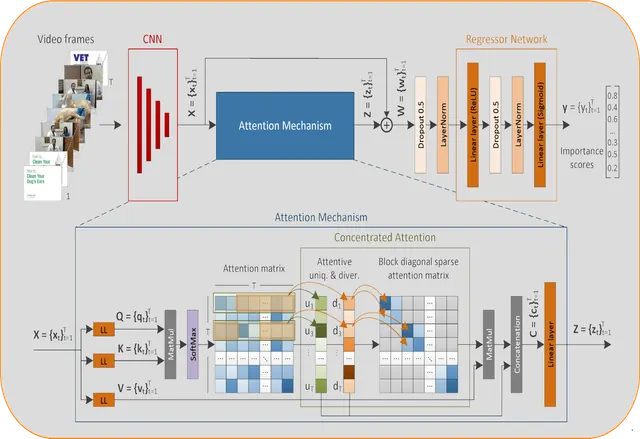
ACM Int. Conference on Multimedia Retrieval 2022 · Jun 2022
citationsUses concentrated attention and frame uniqueness to create video summaries without supervision.
Read publication →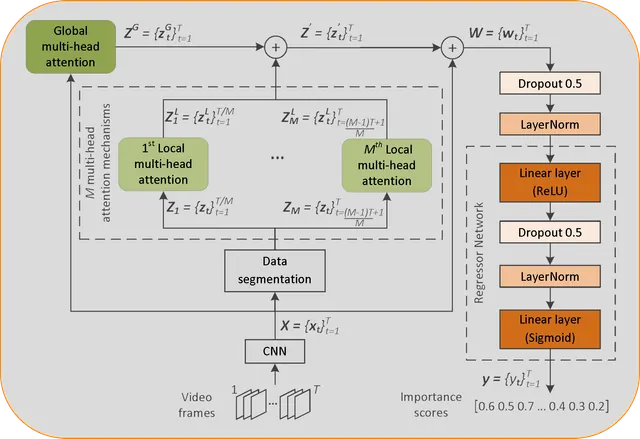
IEEE Int. Symposium on Multimedia (ISM) 2021 · Dec 2021
citationsCombines global and local attention with positional encoding for supervised video summarization.
Read publication →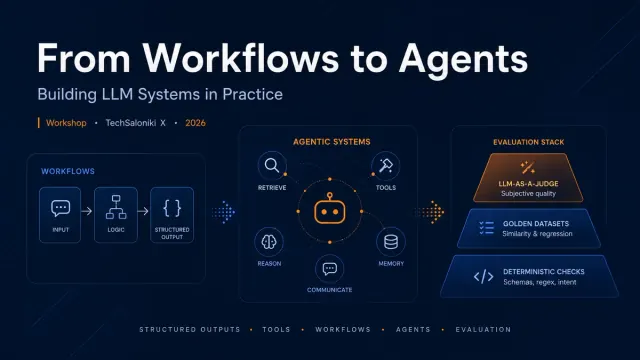
A hands-on TechSaloniki X workshop comparing LLM workflows, agents, tools, and evaluation.
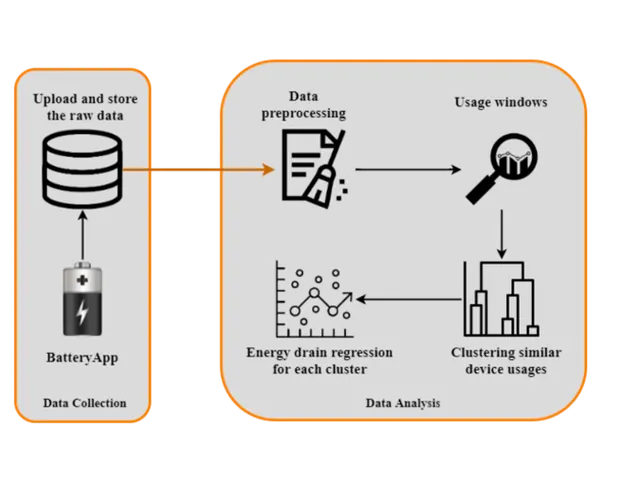
My thesis: an Android data collection app and machine learning pipeline for analyzing and predicting phone battery drain.
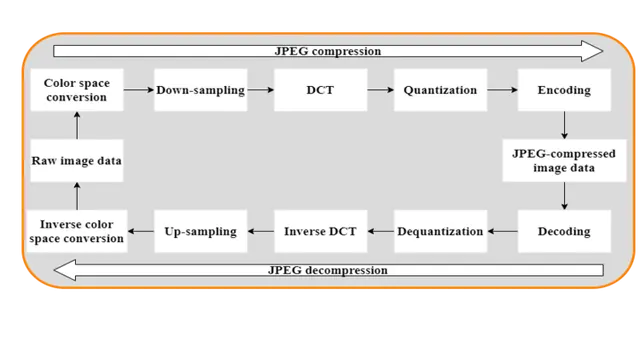
A baseline JPEG encoder and decoder built around DCT, quantization, and entropy coding.
A Unix shell in C with built-in commands, external programs, redirection, and batch mode.
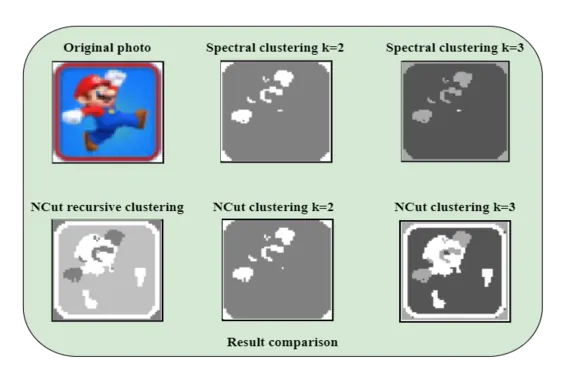
A comparison of spectral clustering and normalized cuts for graph-based image segmentation.
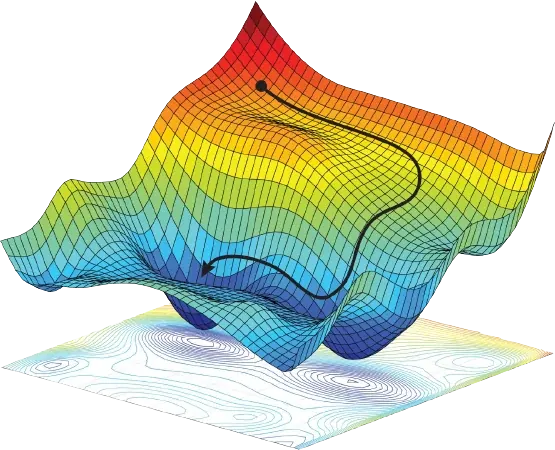
MATLAB implementations of local, constrained, and global optimization methods.
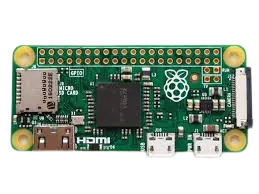
A distributed Raspberry Pi Zero messenger designed around periodic communication and low power use.
Skillset
Frameworks and patterns for orchestration, tracing, evaluation, and tool-using workflows.
Core modeling and applied ML work, especially around deep learning, NLP, and production operations.
The platform layer for data pipelines, services, storage, and cloud-native delivery.
Tooling that keeps systems versioned, deployable, and visible once they are live.
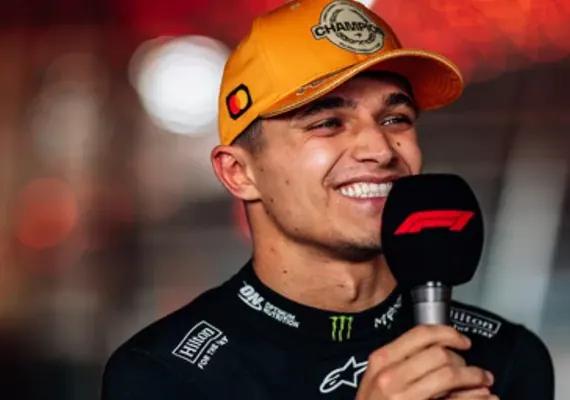
Norris wins his first world title by two points after a three-way finale, while McLaren retain the constructors' crown.
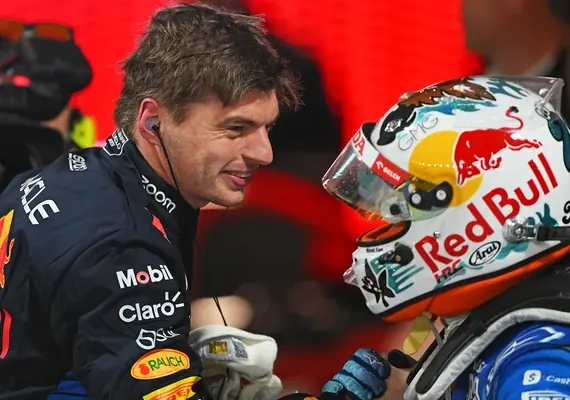
Verstappen secures a fourth title, McLaren win their first constructors' championship since 1998, and 2024 becomes one of the most competitive seasons of the ground-effect era.
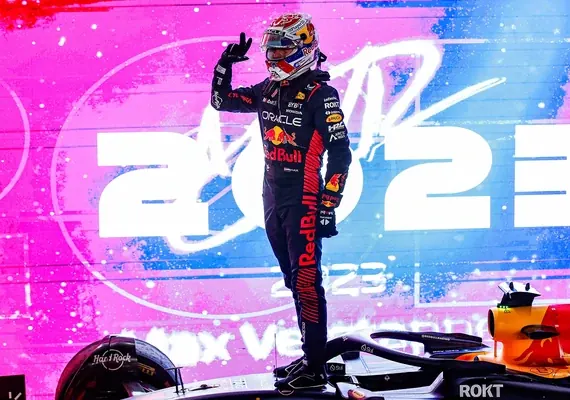
Verstappen's third title, Red Bull win 21 of 22 races, McLaren surge late, Sainz breaks the streak in Singapore.
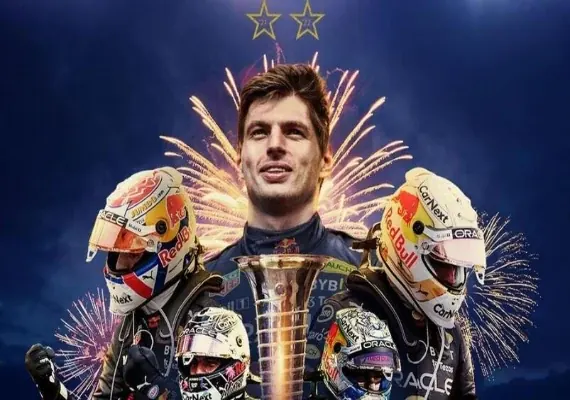
Ferrari start quickly, Verstappen takes control, and Red Bull win their first constructors' title since 2013.
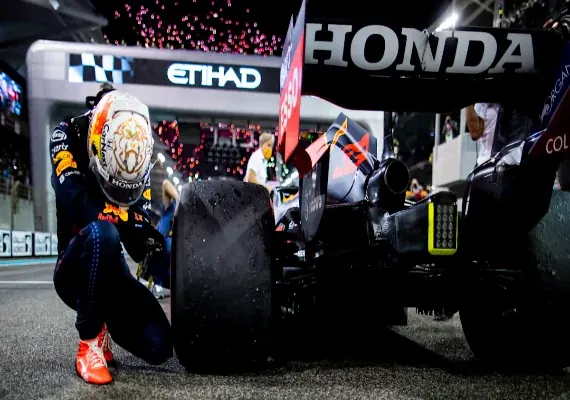
Verstappen and Hamilton arrive level in Abu Dhabi before a final-lap restart decides the 2021 championship.
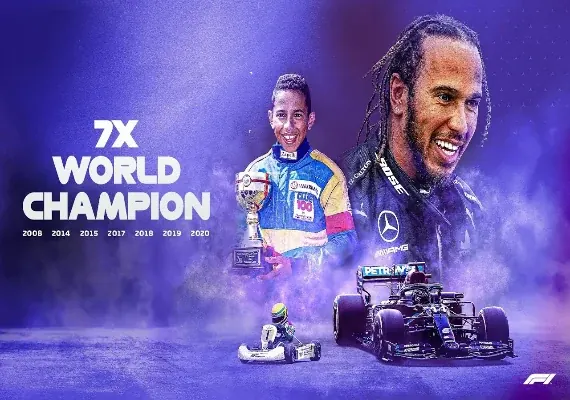
A delayed 17-race calendar, first wins for Gasly and Perez, and Hamilton matching Schumacher's title record.
Have an idea for a collaboration or a question about one of my projects? Send me a message. If you're in Thessaloniki, I'm also up for a freddo espresso and a chat about Formula 1.